Building Insights LLC
Building Insights LLC is a consulting firm led by Matt Jungclaus, PE, PhD, specializing in sustainable building design, including technical and economic analysis that empowers building owners and operators to cost-effectively achieve low-energy and low-carbon goals. With a holistic approach to carbon mitigation, Building Insights helps clients optimize building performance and minimize environmental impacts. Whether through deep analysis, technical writing, or strategic facilitation, we provide the insights needed to create a low-carbon future.
Building Insights LLC collaborates actively with organizations such as RMI (Rocky Mountain Institute), the Carbon Leadership Forum, and NSF International to further their mission-driven research and client work in the low-carbon buildings and materials space. Other recent collaborations include developing low-carbon product certifications for a major online retailer, planning data center decarbonization with a top US tech company, and researching ways to reduce embodied carbon emissions in buildings at low or no additional cost.
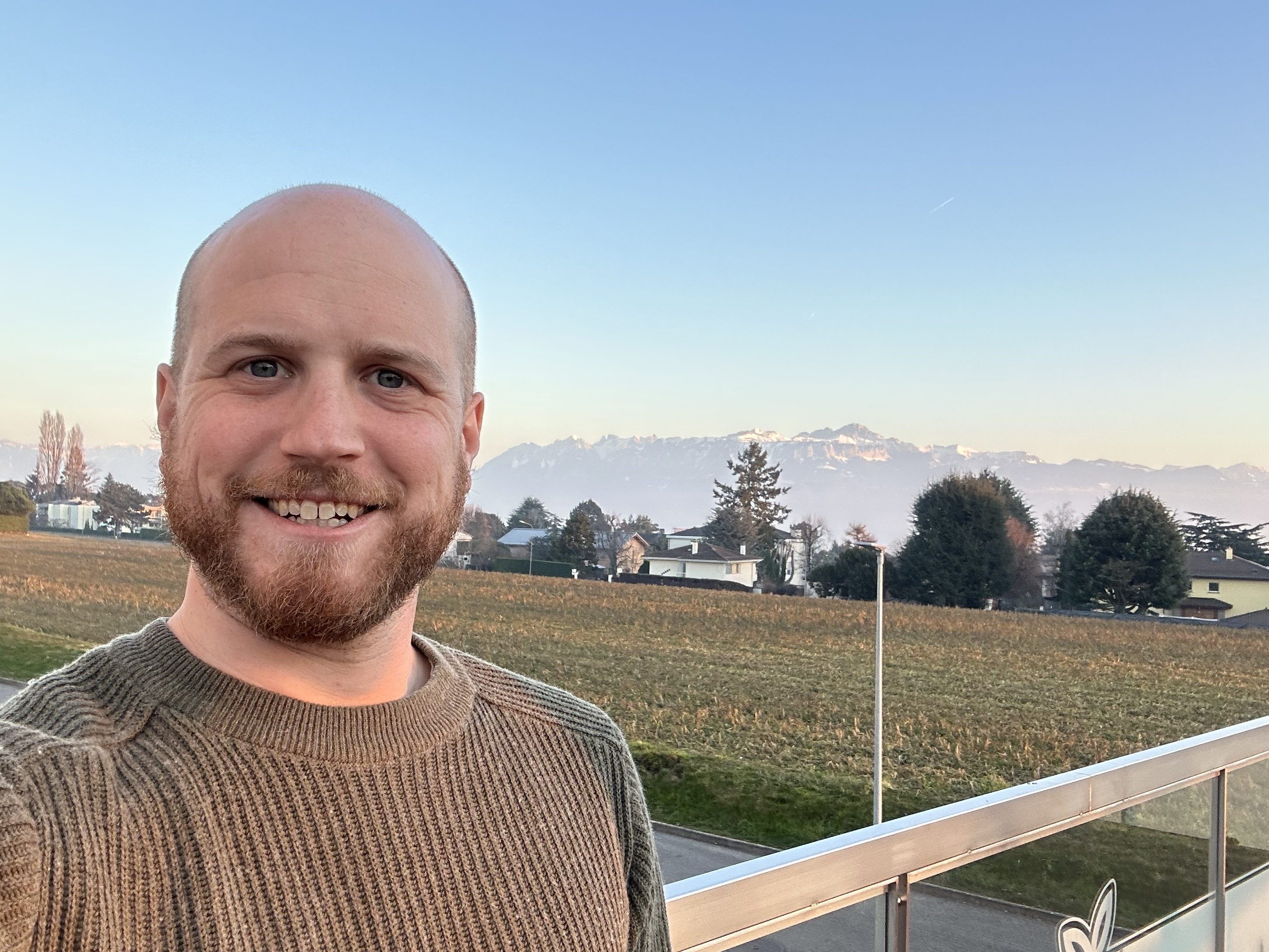
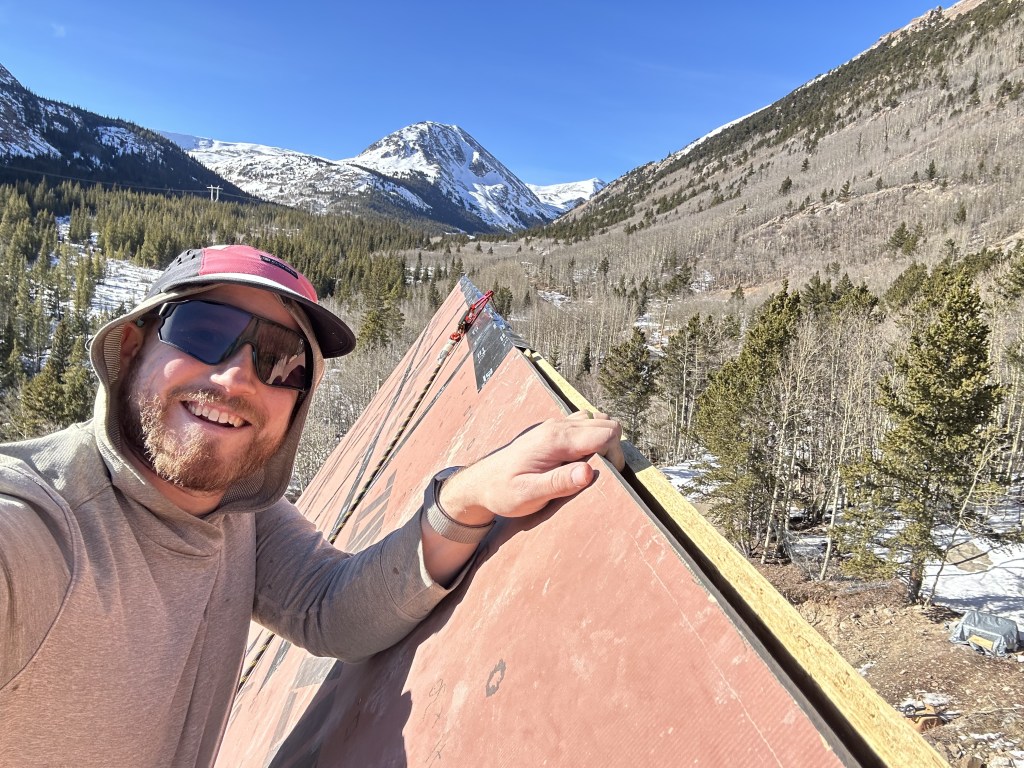
Matt Jungclaus, PE, PhD
Matt Jungclaus is a thought leader in sustainable building design with over a decade of experience focused on reducing embodied and operational carbon emissions. As founder of Building Insights, LLC, he leads whole-building life cycle assessments (LCAs), develops environmental product declarations, and collaborates on embodied carbon research and policy analyses.
Matt has long-standing relationships with organizations such as RMI (Rocky Mountain Institute), the Carbon Leadership Forum, and NSF International, with whom he performs mission-driven research. Matt has had the pleasure of working with top-tier private-sector clients (including Amazon, Microsoft, REI, and McDonald’s) and public-sector clients (including the New York City Mayor’s Office of Sustainability, the City of Pittsburgh, the U.S. General Services Administration, and the U.S. Navy) throughout his career.
Matt earned his PhD in Architectural Engineering from the University of Colorado Boulder, where his research focused on embodied carbon emissions benchmarks for residential and commercial buildings.
During his seven years at RMI, Matt managed high-impact projects, authored influential reports on reducing embodied and operational carbon emissions, and advised public and private sector clients on their pathways to decarbonization.
As a licensed professional engineer in Colorado, Matt also performs energy audits, develops energy models, and delivers life cycle assessments for national and local businesses. Matt’s contributions to the sustainable building design field are further demonstrated by the publications listed below.
Publications
Ashtiani, M., Jungclaus, M., Habchi, R., Jensen, A., Rempher, A., Esau, R., and Lewis, M. (2025). Embodied Carbon Pathways to 2050 for the United States. Carbon Leadership Forum. Seattle, WA. https://carbonleadershipforum.org/embodied-carbon-pathways-to-2050-for-the-united-states/
Jungclaus, Matt, Nicholas Grant, Martín Torres, Jay Arehart, and Wil Srubar. (2024). “Embodied carbon benchmarks of single-family residential buildings in the United States.” Sustainable Cities and Society, 117, 105975. https://doi.org/10.1016/j.scs.2024.105975
Jungclaus, Matt, Sarah Williams, Jay Arehart, and Wil Srubar.(2024). “Whole-life carbon emissions of concrete mixtures considering maximum CO2 sequestration via carbonation.” Resources, Conservation and Recycling, 206, 107605. https://doi.org/10.1016/j.resconrec.2024.107605
Acarturk, B Cansu, Matt Jungclaus, Martin Torres, Brooklyn Lash, Wil V Srubar III. (2024). “Effect of algal biomass on the properties of calcium sulfoaluminate cement.” ACS Sustainable Chemistry & Engineering, 12(23), 8690–8701. https://doi.org/10.1021/acssuschemeng.4c01007
Jungclaus, Matt, Rebecca Esau, Victor Olgyay, and Audrey Rempher. (2021). “Reducing Embodied Carbon in Buildings: Low-Cost, High-Value Opportunities.” RMI. http://www.rmi.org/insight/reducing-embodied-carbon-in-buildings.
Pless, Shanti, Ben Polly, Sammy Houssainy, Paul Torcellini, William Livingood, Sarah Zaleski, Matt Jungclaus, Tom Hootman, and Mindy Craig. (2020). “A Guide to Energy Master Planning of High-Performance Districts and Communities.” National Renewable Energy Laboratory, NREL/TP-5500-78495. https://www.nrel.gov/docs/fy21osti/78495.pdf.
Paul Mathew, Phil Coleman, Janie Page, Cynthia Regnier, Jordan Shackelford, Matt Jungclaus, and Victor Olgyay (2020). “Energy Efficiency and the Real Estate Lifecycle: Stakeholder Perspectives.” Lawrence Berkeley National Laboratory, https://escholarship.org/uc/item/6506z5f7
Jungclaus, Matt, Cara Carmichael, and Phil Keuhn. (2019). “Value Potential for Grid-Interactive Efficient Buildings in the GSA Portfolio: A Cost-Benefit Analysis.” Rocky Mountain Institute, http://www.rmi.org/GEBs_report
Jungclaus, Matt, Alisa Petersen, and Cara Carmichael. (2018) “Guide: Best Practices for Achieving Zero Over Time for Building Portfolios.” Rocky Mountain Institute, http://www.rmi.org/zero-over-time
Corvidae, Jacob, Laurie Guevara-Stone, Matt Jungclaus, James Mandel, Angela Whitney, and Peter Bronski. (2018). “The Carbon-Free Regions Handbook: An Action Guide for States, Provinces, and Regional Governments.” Rocky Mountain Institute, rmi.org/carbonfreeregions
Calhoun, Koben, Jacob Corvidae, Jon Creyts, Matt Jungclaus, James Mandel, Elizabeth O’Grady, and Peter Bronski. (2017). “The Carbon-Free City Handbook.” Rocky Mountain Institute, rmi.org/carbonfreecities
 Building Insights LLC